Is My Dog's Panting Normal? How to Tell Healthy From Concerning
Most panting is your dog cooling off or winding down. Here's how to tell healthy panting from the kind that's worth a vet call — with breed and size context.
Your dog flops down after a walk, tongue out, sides heaving — and you wonder for a second whether you should be worried. The honest answer most of the time: panting is how dogs cool themselves down, and a panting dog is usually a perfectly healthy one.
Dogs don’t sweat through their skin the way we do. They dump heat by moving air fast over a wet tongue and the lining of the mouth. So panting after exercise, on a warm day, or when they’re a little keyed up is exactly the system working as designed.
What you want is the ability to tell that ordinary, do-nothing panting apart from the kind that’s trying to tell you something. This guide gives you the quick verdict first, then the context — age, breed, and paired symptoms — that tips a normal pant into one worth acting on.
When panting is normal
Most panting falls into a handful of plain, benign explanations. If your dog is panting for one of these reasons and settles back to quiet breathing within a reasonable window, there’s nothing to fix.
- After exercise or play. A run, a wrestle, a long walk — your dog will pant to shed the heat that effort generated, then taper off as they recover. Faster, deeper panting that eases over several minutes of rest is exactly what you’d expect.
- Warm weather or a warm room. Panting is your dog’s air conditioning. On a hot day, near a sunny window, or under a heavy blanket, expect more of it.
- Excitement and anticipation. Greeting you at the door, seeing the leash come out, or the build-up before a car ride can all bring on a burst of happy panting. It usually fades once the exciting thing arrives.
- Mild, short-lived stress. A vet waiting room, a thunderstorm, fireworks — situational nerves often show up as panting. It comes with the trigger and goes with it.
- Winding down for sleep. Plenty of dogs pant lightly as they settle, then drift into slow, quiet breathing.

The common thread: there’s an obvious reason, the panting matches the situation, and it eases off when the trigger does. That’s healthy panting.
When panting is worth watching
Context is everything. The same open mouth means different things depending on your dog’s breed, size, age, and what else is going on. Here’s what nudges panting from “ignore it” to “keep an eye on it.”
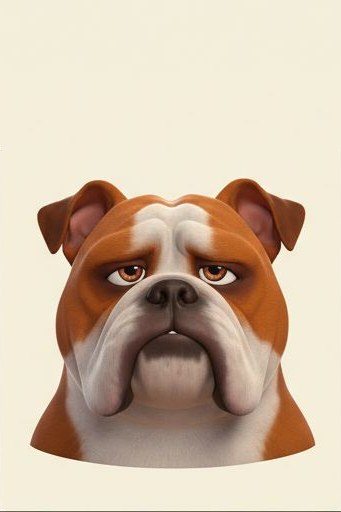
- Flat-faced (brachycephalic) breeds pant harder and cool less efficiently. Bulldogs, French Bulldogs, Boxers, and other short-muzzled dogs have less airway to work with, so they pant more for the same effort and overheat faster. Heavy panting on a mild day, or noisy, labored breathing, deserves closer attention in these breeds than it would in a long-nosed dog.
- Big dogs and double-coated breeds heat up fast. Great Danes, Newfoundlands, Mastiffs, and thick-coated breeds carry a lot of body and a lot of coat. They reach their limit sooner in the heat, so panting that won’t quit on a warm day is worth taking seriously.
- Senior dogs. New or increased panting in an older dog — especially panting that shows up at rest, without an obvious trigger — can reflect pain, reduced fitness, or other age-related changes. If you’re not sure where your dog sits on the aging curve, our guide to when a dog becomes a senior and the size-aware dog age calculator can help you read the stage.
- Panting with no reason at all. Cool room, no exercise, calm mood, and still panting? That mismatch is the signal. Healthy panting has a cause; panting that appears out of nowhere is worth watching.
- A sudden change from your dog’s normal. You know your dog’s baseline better than anyone. Panting that’s heavier, more frequent, or happening at new times is more meaningful than any single episode.
Healthy panting always has a reason that matches it. The panting to worry about is the kind that doesn’t fit the situation — at rest, in a cool room, or far heavier than the moment calls for.
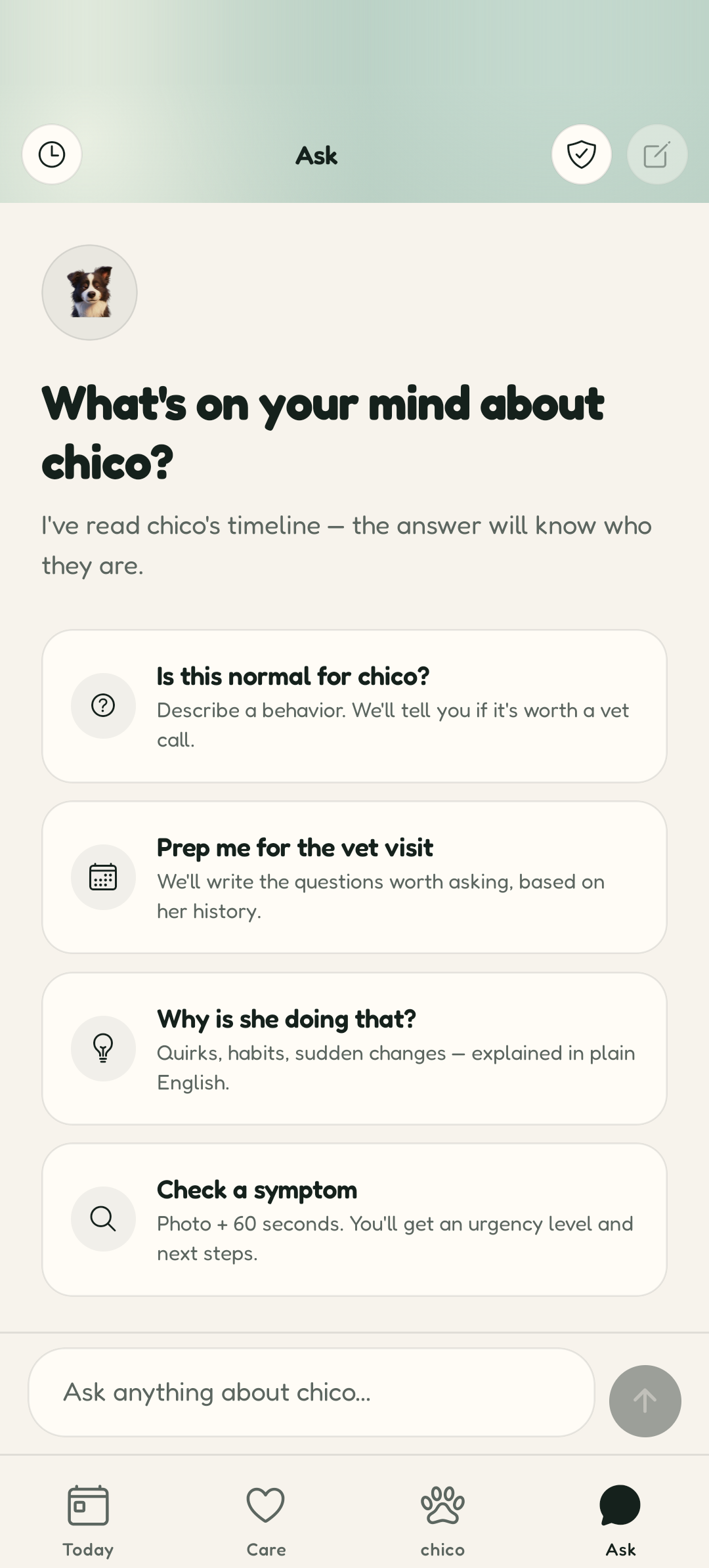
When you’ve spotted panting that doesn’t quite fit, the hard part is judging your dog rather than a generic one. That’s the gap Pawsho is built for — answers grounded in your dog’s exact breed, age, and history instead of one-size-fits-all web advice.
When to call the vet
Some panting isn’t just worth watching — it’s worth a call. Treat the following as reasons to contact your vet promptly, and the heat-related ones as urgent.
- Signs of heatstroke. Frantic, nonstop panting plus drooling, bright or dark red gums, wobbliness, vomiting, or collapse — especially in a flat-faced or big, heavy-coated breed, or on a hot day. This is an emergency; cool your dog and get to a vet immediately.
- Labored or distressed breathing. Panting that looks like a struggle, with heaving sides, flared nostrils, an extended neck, or a hunched posture to breathe.
- Pale, blue, or grey gums or tongue. A sign your dog may not be getting enough oxygen. Call right away.
- Panting that won’t stop at rest. Persistent, heavy panting in a cool, calm setting with no trigger — particularly if it’s new for your dog.
- Panting with other symptoms. Coughing, weakness, a swollen or bloated belly, restlessness and pacing through the night, or a clear reluctance to lie down.
- A sudden, unexplained increase in an older dog. New heavy panting in a senior, with no exercise or heat to explain it, can point to pain or an underlying condition and is worth a check.
You don’t need to diagnose any of this yourself — and you shouldn’t try to. The job is to notice the mismatch and let your vet take it from there.
Frequently asked questions
How much panting is too much after a walk?
Post-walk panting that eases over several minutes of rest and shrinking water bowl is normal. What’s not normal is panting that stays frantic well after your dog has cooled down and settled, or that comes with stumbling, drooling, or very red gums — that points toward overheating and needs immediate cooling and a vet.
Why does my dog pant at night when it’s not hot?
Occasional settling-in panting is fine. But panting that keeps a dog up at night in a cool room — paired with restlessness, pacing, or trouble getting comfortable — can reflect pain, anxiety, or an underlying issue, especially in older dogs. If it’s a new pattern, mention it to your vet.
Do some breeds just pant more than others?
Yes. Flat-faced breeds like Bulldogs, French Bulldogs, and Boxers pant more because they move air less efficiently. Large, heavy-coated breeds such as Newfoundlands, Great Danes, and Mastiffs heat up faster and pant sooner. Knowing your breed’s baseline is what lets you spot a real change.
Can anxiety cause panting?
It can. Stress panting is common around storms, fireworks, car rides, or vet visits, and it typically tracks the trigger — it starts when the scary thing does and fades when it passes. Panting that lingers long after the trigger is gone, or shows up without one, is worth a closer look.
Should I worry about panting in my senior dog?
A noticeable, unexplained rise in panting in an older dog is worth a vet conversation, since it can be linked to pain or other age-related changes. Use the dog age calculator to gauge your dog’s life stage, and don’t write off new panting as “just getting old.”
Staying one step ahead
Most of the time, panting is your dog cooling off, winding down, or buzzing with excitement — nothing to fix. The skill worth building is knowing your dog’s normal so well that the unusual pant stands out the moment it appears. Learn the baseline, factor in breed and age, and you’ll catch the panting that matters early — and let the rest be exactly what it usually is: a healthy dog, doing what dogs do.